Created After God: What Ephesians 4:24 Teaches Us About the Restored Image in True Righteousness and Holiness
Ephesians 4:24 shows that in Christ, believers are being remade after the likeness of God in true righteousness and holiness. Explore the restored image of God through a Biblical lens.
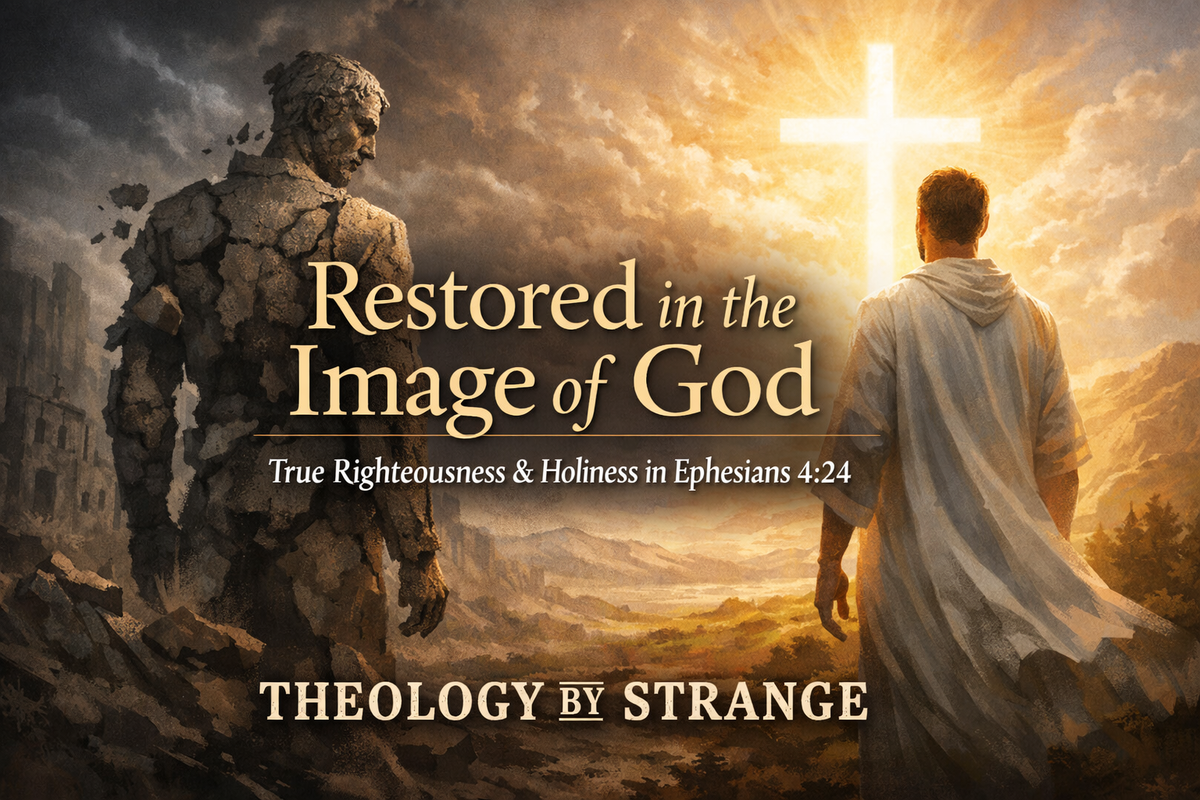
Some verses in Scripture say a great deal in just a few words. Ephesians 4:24 is one of them. Paul tells believers to “put on the new self, created after the likeness of God in true righteousness and holiness” (ESV). In that one line, we are reminded of who we were made to be, what sin damaged, and what Christ is now restoring in His people.
This matters because many people think of salvation only in terms of forgiveness. Praise God, forgiveness is at the heart of the gospel. Our sins are truly pardoned through the life, death, and resurrection of Jesus Christ. But the saving work of God does not stop at pardon. The Lord does not merely forgive His people and leave them as they are. He remakes them. He renews them. He restores in them what sin has corrupted. Ephesians 4:24 shows us that the Christian life is not only about being rescued from judgment. It is also about being remade in the likeness of God.
To understand this verse, we need to see it in the flow of Paul’s argument. In Ephesians 4, Paul is urging believers not to live like the Gentiles, who walk in the futility of their minds, darkened in understanding, alienated from the life of God because of sin. That old way of life is marked by spiritual blindness, hard-heartedness, moral uncleanness, and deceitful desires. Then Paul draws a sharp contrast. That is not the way believers learned Christ. Christians have been taught the truth as it is in Jesus. Because of that, they are to put off the old self, be renewed in the spirit of their minds, and put on the new self. This is not a call to self-improvement by human effort. It is a call to live out what God has already begun in regeneration.
Paul’s language in Ephesians 4:24 reaches back to creation itself. When he says the new self is “created after the likeness of God,” he is echoing the language of Genesis. Humanity was originally made in the image and likeness of God. That does not mean man shares God’s divine essence. It means human beings were made to reflect Him in a creaturely way. We were created to know Him, love Him, obey Him, and represent His rule in the world He made. The image of God gave man dignity, purpose, and moral responsibility.
Sin did not erase the image of God, but it did deeply corrupt us. After the fall, human beings still bear God’s image, which is one reason every human life has dignity and worth. Yet the image in man is no longer expressed in purity, righteousness, and holiness as it was meant to be. Our minds are twisted by error. Our desires are bent out of shape. Our wills are hostile to God. Instead of reflecting His character, fallen humanity reflects rebellion. This is why salvation must include more than external reform. We do not just need better habits. We need new creation.
That is what Paul is pointing to here. The “new self” is not a polished version of the old sinful man. It is something God creates. This is why the gospel is so glorious. In Christ, God does not simply tell sinners to try harder. He gives new life. He grants a new identity. He forms a new man in union with Christ. The believer is not merely forgiven in court and then abandoned in the struggle. He is joined to the risen Christ and progressively transformed by grace.
Notice especially how Paul describes this restored likeness: “in true righteousness and holiness.” That is important. In our time, people often speak about spirituality without holiness, morality without God, or identity without truth. Paul will have none of that. The restored image is not vague spirituality. It is not self-expression. It is not authenticity as the world defines it. The restored image appears in true righteousness and holiness. In other words, where God is renewing His people, there will be a real moral change.
Righteousness speaks to uprightness before God, a life that conforms to His standard. Holiness speaks to being set apart unto God, cleansed from sin, and increasingly shaped by His character. These qualities are not the cause of our salvation, but they are the fruit of it. Christians have always insisted on this balance. We are justified by grace alone through faith alone in Christ alone, apart from works. Yet the faith that justifies is never alone. It produces obedience. It produces sanctification. It produces a growing likeness to Christ. Ephesians 4:24 fits beautifully within that historic understanding. Paul is not teaching salvation by moral effort. He is teaching that those who belong to Christ are being made new.
This verse also guards us from a common mistake. Sometimes people talk as though the image of God is mainly about human ability, intelligence, creativity, or personality. Those things may reflect aspects of our creaturely design, but Ephesians 4:24 reminds us that the image, especially in its restored form, is deeply moral and spiritual. To be remade after God’s likeness is to be renewed in righteousness and holiness. The image is not merely about what man can do. It is about what man is before God and what man was meant to reflect.
That is one reason this verse is so searching. It forces us to ask whether our Christianity is only external. Have we settled for religious language without inward renewal? Have we confused church involvement with holiness? Have we thought of grace as permission to stay comfortable in sin? Paul will not allow that kind of thinking. The believer is called to put on the new self. That means the Christian life involves real repentance, real warfare against sin, and real pursuit of godliness. Not perfection in this life, but real change.
At the same time, this verse offers comfort to weary Christians. Many believers feel the weight of remaining sin and wonder why the struggle continues. Ephesians 4:24 reminds us that holiness is not a hopeless dream. It is part of God’s saving purpose. If you are in Christ, the Lord is not finished with you. He is restoring what sin has damaged. He is teaching your heart to love what is good. He is renewing your mind by His truth. He is shaping you into the likeness of His Son. Growth may be slow. The battle may be painful. But the work is real because God Himself is doing it.
This also helps us understand the connection between Ephesians 4:24 and Christ Himself. Jesus is the perfect image of God. Where Adam failed, Christ obeyed. Where sinners are unrighteous, Christ is righteous. Where we are defiled, Christ is holy. So, when believers are renewed, they are not being shaped into an abstract idea of goodness. They are being conformed to Christ. The restoration of the image of God is Christ-shaped. We are renewed as we belong to Him, hear His Word, walk in His truth, and are sanctified by His Spirit.
That means the Christian life is deeply practical. The verses that follow Ephesians 4:24 make that plain. Paul speaks about putting away falsehood, speaking truth, handling anger rightly, working honestly, guarding speech, showing kindness, and forgiving one another. In other words, the restored image shows up in everyday life. Holiness is not only seen in worship services or theological statements. It shows up in how we talk, how we work, how we treat people, and how we respond when wronged. The image of God restored in man is visible in ordinary obedience.
This has serious implications for the church as well. If believers are being remade after the likeness of God, then the church should be a place where that new humanity is increasingly visible. The body of Christ should not mirror the darkness of the world. It should be marked by truth, purity, humility, forgiveness, and love. The church is not perfect, but it should be distinct. A holy God is forming a holy people.
And this is where Ephesians 4:24 speaks clearly into a confused culture. The world tells people to build their identity from within, define their own truth, and cast off any authority that challenges their desires. Scripture says the opposite. Our true life is not found in self-invention, but in new creation. We do not become whole by following deceitful desires, but by being remade according to God’s likeness. Real freedom is not freedom from holiness. Real freedom is freedom from sin.
So then, Ephesians 4:24 calls us to remember both our origin and our destiny. We were made after God. Sin distorted that reflection. Christ came not only to forgive sinners but to restore them. And now, by grace, believers are putting on the new self, created after the likeness of God in true righteousness and holiness. This is not superficial religion. This is the miracle of redemption working itself out in real human lives.
If you belong to Christ, do not make peace with the old self. Do not excuse what God calls you to mortify. Do not treat holiness as optional. The grace that saves also trains us to renounce ungodliness. And if you feel weak in the fight, do not despair. The God who created the new self can sustain it. He will finish what He has begun.
In Christ, the ruined image is not merely remembered. It is being restored.
The gospel does not just pardon what sin has done. It restores what God designed. — Zach Strange
If this post encouraged you, consider subscribing and becoming a member of Theology by Strange. By joining the site, you can follow new posts, support the work, and help biblical, Christ-centered teaching reach more people.